
Poetry is a powerful medium which cuts directly to universal feelings, thoughts and potentially speaks the language of the heart. At the same time it involves extremely personal associations and culture, class, age and temperament play their part in what is enjoyed. It can provide an invisible bridge of understanding for shaky times. I also think it best appreciated in small doses of time. Song lyrics have the same effect with music of course! See music tab of this site.
My favourite poem for this Winter Season! [2024/5] Stopping by Woods on a Snowy Evening by Robert Frost Written in 1922
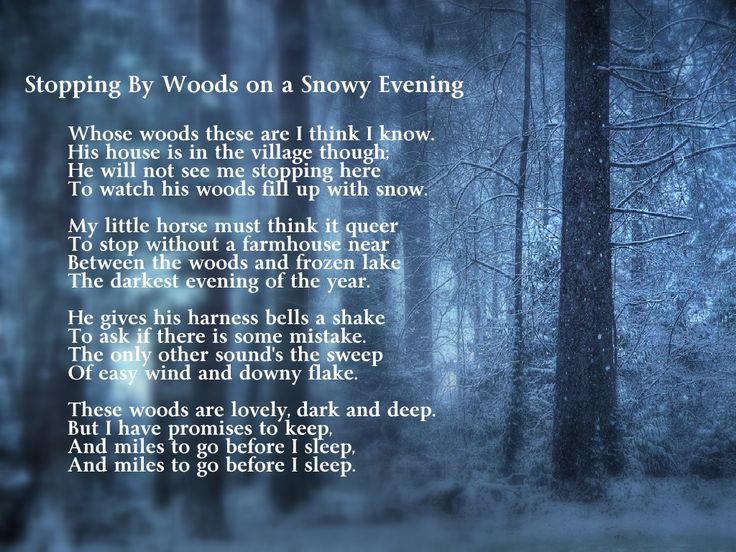
Within this booklet below are some poems that work for me. There is no reason that a person later in life will be drawn particularly to a type or style of poetry though there might be an enjoyment of the rhythm involved in some. If you or the person involved can remember the first verse of a poem then that can be a positive experience in itself! As with music, I have noticed that there is something calming in the repetition of recurring sets of sounds which can make for a deeper appreciation of the meaning.
Reading poetry, like listening and singing to lyrics, can be an engaging and powerful experience whether reciting aloud or listening passively in company.
Poetry can be a focus for the beginning or ending of a Reminiscence group. A facilitator could punctuate a session with poetry as a way of expanding a topic. I recommend Joseph Fasano’s ‘The Magic Words’ as it allows anyone to create a poem with Joseph supplying the structure and the budding poet or helper filling in the blanks with verbs, nouns and adjectives. Such a good device for those who are losing their words and may believe poetry is now beyond them. 
Do see this Covid inspired website created in July 2020 that allows you to take away a gift of a poem through a rainbow process uniquely for you:
https://www.poetryhealthservice.com
See link to Poem Hunter which allows you to hunt for any poem under title/genre/subject: https://www.poemhunter.com/
Click on the image with the poem to link to Amazon to purchase MP3, book or CD. You Tube links will take you to other ways of appreciating the poem or poet. To help you on your search for what you respond to, please see this link: https://www.amazon.com/Seven-Ages-Anthology-Poetry-Music/dp/9626341890
Scroll down further to discover Haiku poetry and see images to inspire!
There are several ways that sharing poetry with someone who might be house bound, bed bound or in a very limited world due to the dementia can bring the person out of their circumstances. Poems can be read to someone or read by them and poems can also lead on to discussion on why something is enjoyed or memories that it might evoke. No one is ever too old for new poems!
Try an audio book such as this one [click below] which has a huge range of poems read by well-known actors. Go to Amazon where you will find no shortage of other options if this is too narrow a range for your purposes.
If the person has already had an interest or love of poetry and is still able to read then find out more from them about why they like their poems. This links to an excellent site that allows you to select any poem by subject or author.
The site below has thousands of poems organised by theme for adult and child. Some of the poem’s themes are family, humour, nature, sad love, friendship, death, holidays, love, spiritual love and teen issues. There is also a section on techniques of writing poetry with rhyme ideas, poetic forms, and how to write a haiku, stanzas, and a poem template!
There are so many poems and poets but to help you on your search for what you respond to please see this link:
Haiku Poetry
For those who think that they or their later in life person would be up to the challenge of Haiku, this could be a meaningful place to put their attention. A discussion on what a Haiku is and a few examples read aloud to each other and then a promise of daring to display what comes up for both of you at a future date. To create one may need a bit of space and time alone.
A Haiku should consist only of essential words making a total of seventeen syllables [sounds]. These are divided into three lines of:
Five syllables, Seven Syllables, Five Syllables.
Well trained suitcases
Follow their owners across
Shined station concourse
Serena [age 75] says: ‘I find Haiku the best way to capture some of the fleeting images that present themselves with all their intensity and richness in the local countryside.’
Up, down, Jenny Wren
Bounces- she crosses the stream
over my shadow.
Sparkled Spider’s web
Dowager’s necklace hanging
on a park railing.
In the field- two lambs.
Through the mist- a sequined flash.
Yes, a kingfisher.
You can find out more about Haiku here